Reimagining Conservation in Taita Taveta County: Stanley Kadeghe's Journey
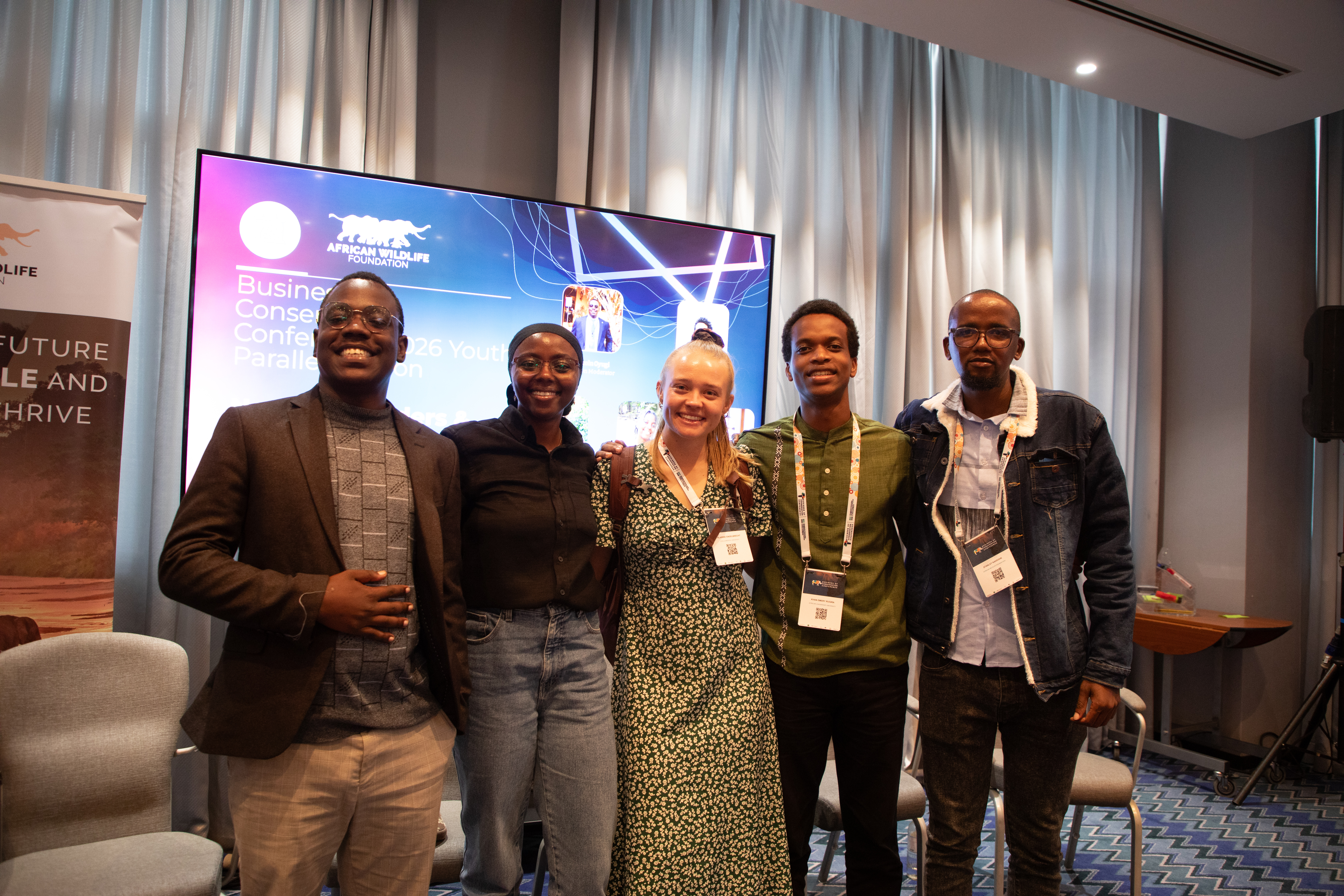
Stanely Kadeghe alongside fellow youth panelists at the Business of Conservation Conference.
A Childhood Walk That Planted a Seed
In the hills of Chawia in Taita Taveta County, Stanley Kadeghe's work in conservation can be traced back to a childhood walk. As a boy, he moved through the forest with his grandmother as she collected firewood and herbs. On those walks, he began to see the landscape as more than familiar ground. He saw a place that others would one day want to visit, learn from, and value.
"I used to walk here with my grandmother and imagine that one day this place could attract visitors," he recalls. "I felt it was special and that people from other places would want to experience it too."
At the time, the thought belonged to childhood. Years later, it would help shape a community vision as that early encounter with Chawia stayed with him. Today, it lives on in Chawia Paradise, a youth-led initiative that brings together conservation, culture, and community opportunity.
Building Chawia Paradise
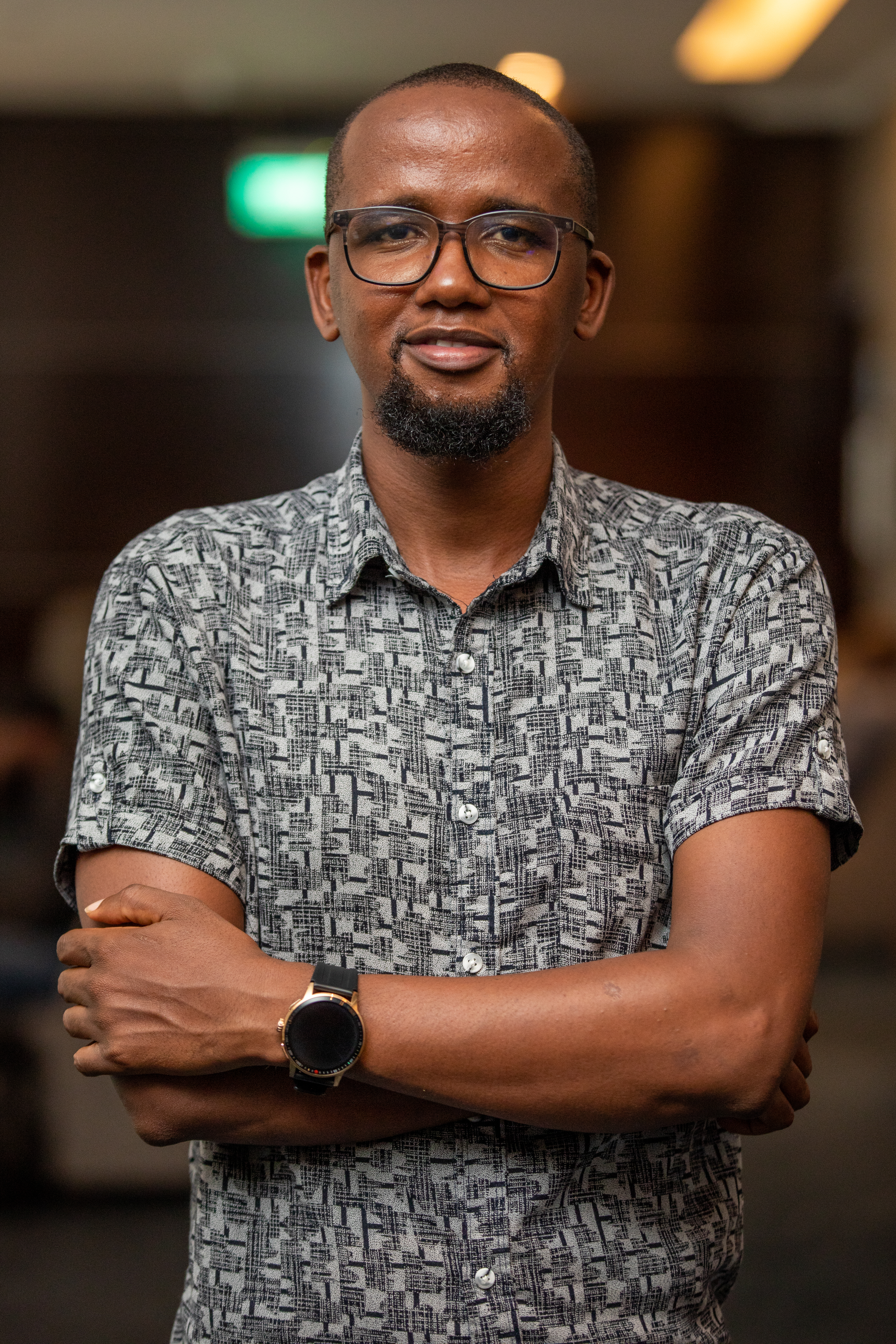
Stanely Kadeghe, a youth conservationist.
Together with other young people from the community, Stanley established Chawia Paradise as a space where visitors can experience both the natural beauty and the cultural heritage of the region.
The initiative brings together tourism, conservation, and community development. Visitors explore the landscape, learn about the local ecosystem, and take part in cultural experiences that reflect the traditions of the Taita people.
The African Wildlife Foundation (AWF) has been supporting Community Forest Associations in Taita Taveta to implement their Participatory Forest Management Plans, with Chawia Community Forest being one of the beneficiaries.
This close collaboration between Chawia Paradise and AWF to ensure ecotourism, identified as a key product in the Chawia Forest Management plan, serves as a successful model.
AWF has also provided a grant that is facilitating the upgrade of site structures, the development of an Environmental Impact Assessment report, and the acquisition of other essential licenses to ensure that Chawia Paradise in in compliance with government regulations.
Community members are central to these experiences. Visitors, for instance, can learn traditional skills such as weaving baskets using sisal, a craft practiced in the area for generations.
In this way, Chawia Paradise is creating income opportunities while helping preserve cultural knowledge.
Youth Leading the Way in Conservation
One of the defining features of Chawia Paradise is the role young people are playing in shaping its future.
Stanley believes youth involvement is essential in conservation, especially as communities face growing environmental challenges. "Young people bring energy and new ideas," he explains. "Sometimes they can even help older generations see conservation in new ways."
Across Taita Taveta, young conservationists are stepping into roles that are helping communities respond to these challenges. Chawia Paradise shows how youth-led initiatives can protect ecosystems while opening pathways for economic opportunity.
Protecting a Unique Ecosystem
The location of Chawia Paradise also carries ecological significance. The surrounding forest is home to unique bird species, including the Taita white-eye, making conservation efforts in the area especially important.
By linking ecotourism with environmental protection, the project helps safeguard biodiversity while creating sustainable opportunities for the community.
For Stanley and his team, conservation is about maintaining that balance so communities can benefit from their natural environment while protecting it for future generations.
A Passion for Storytelling Through Photography
Stanley's journey into conservation has also been shaped by another passion: photography.
What began as a hobby has become one of his most effective tools. Through his camera, he documents the forest, the wildlife, the people, and the culture that define Chawia. His photographs help others understand both the value of the landscape and the importance of protecting it.
"Photos allow people to connect with this place," he says. "Sometimes a picture can tell a story better than words."
A Vision for the Future
Chawia Paradise is still evolving, but its impact is already visible. The vision is to keep growing the initiative in ways that support conservation, strengthen community livelihoods, and encourage more young people to take part in protecting their environment.
What Stanley first saw as a child while walking with his grandmother has become a working model of local leadership and community-driven conservation.
The same landscape that shaped his imagination now shapes his work. In Chawia, that early vision continues to guide an effort rooted in place, carried by young people, and sustained by the community around it.